
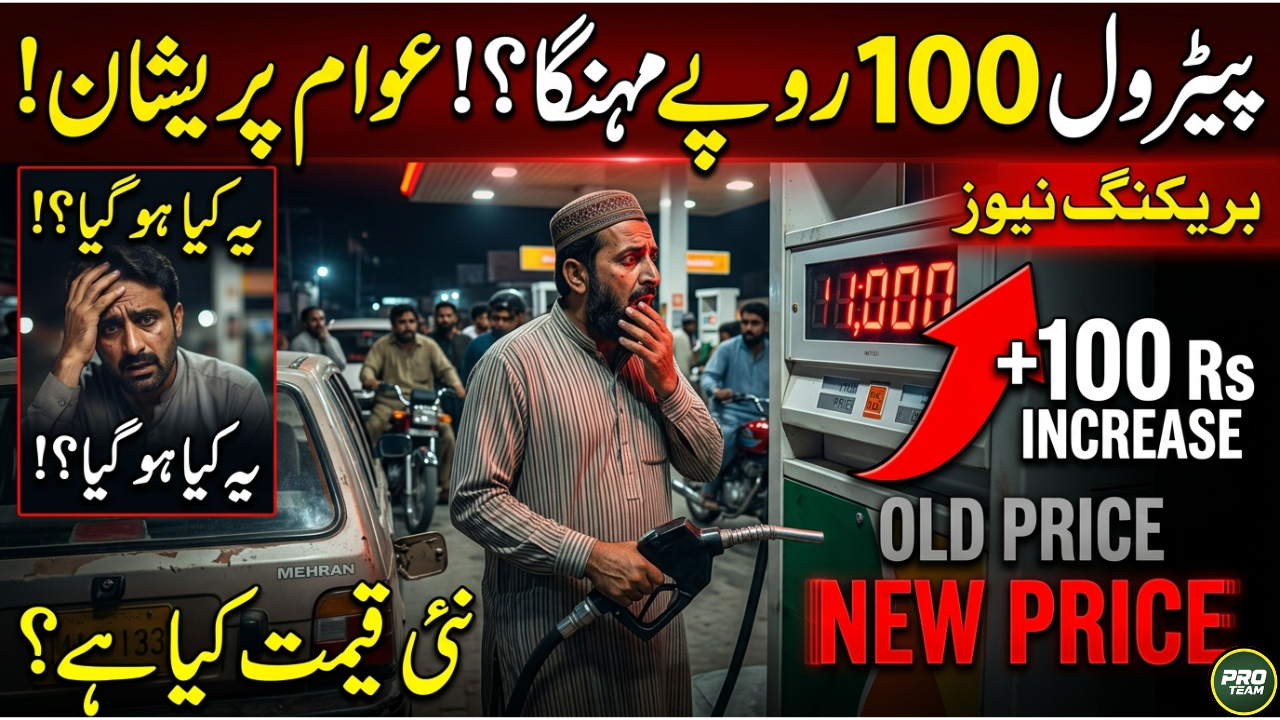
The federal government is reportedly preparing to introduce a major fuel price increase, often described as a potential “petrol bomb,” with petrol prices expected to rise by up to 100 PKR per litre. The move comes as the difference between international import costs and local retail prices continues to widen. If implemented, the price of petrol and diesel could jump significantly, affecting transportation, logistics, and everyday commuting across the country. Officials say the government has been absorbing heavy losses because of subsidized fuel rates, and this adjustment may become unavoidable. To soften the impact, authorities are planning targeted subsidy programs for low-income groups so that vulnerable households can still access fuel through digital vouchers and quota systems. An official announcement regarding the new rates may arrive within the next 48 to 72 hours, which could quickly reshape Pakistan’s economic environment.
Latest Update: Petrol and Diesel Prices Reduced in Pakistan
In a major relief for the public, the federal government has announced a reduction in petroleum product prices. Petrol prices have been decreased by Rs. 12 per litre, setting the new price at Rs. 366.41 per litre, while diesel has seen a significant cut of Rs. 135 per litre, bringing the new price to Rs. 385.35 per litre. The revised petroleum prices will come into effect from tonight at 12:00 AM, providing immediate financial relief to consumers and businesses across the country.
| Fuel Category | Expected Price Change 2026 |
| Petrol (Mogas) | Petrol Price Increase Up to Rs. 100 |
| High-Speed Diesel | Up to Rs. 200 Increase |
| Impact Date | Expected Within Next 3 Days |
| Subsidy Support | Available for 2-Wheelers |
| Official Portal | OGRA Official Site |
Why is the Government Planning a 100 Rupee Petrol Hike?
The main reason behind the expected Petrol Price Increase is the growing gap between the landed cost of imported oil and the subsidized price currently charged at fuel stations. According to sources in the Ministry of Energy, the government is currently covering a loss of almost 100 PKR per litre on petrol and over 200 PKR per litre on diesel. With global crude oil prices rising and financial pressure mounting from international lenders, maintaining these subsidies has become increasingly difficult. Authorities believe aligning domestic fuel prices with global rates will help reduce circular debt and maintain a stable supply of petroleum products in the country. Regulatory updates and price notifications are typically issued by the Oil and Gas Regulatory Authority.

Who Will be Most Affected by the Fuel Price Increase?
Although the Petrol Price Increase will impact almost everyone, some sectors are expected to feel the effects more strongly. The transport industry will face higher operating costs, especially because trucks and buses mainly run on high-speed diesel. If diesel prices increase by up to 200 PKR, transportation charges for essential goods could rise sharply. This may lead to higher prices for everyday items such as vegetables, milk, and flour. At the same time, office workers and students who rely on motorcycles or small cars may see their monthly fuel expenses rise considerably. Authorities are studying the possible economic consequences and exploring ways to expand fuel subsidy programs in certain districts.
Transport Sector: Significant rise in freight and passenger fares.
Daily Commuters: Higher fuel expenses for work and school travel.
Inflation: Increased cost of essential goods due to logistics expenses.
Agriculture: Higher operational costs for tractors and irrigation equipment.
Small Businesses: Delivery services and transport-based operations may face higher expenses.
| Relief Measure | Eligibility & Action |
| Motorcycle Subsidy | 20 Litre Monthly Quota |
| Rickshaw Relief | Targeted Fuel Vouchers |
| App Registration | Via National Fuel Pass App |
| BISP Integration | Extra 5,000 for Transport |
| Official Helpline | Dial 1033 for Inquiries |
How to Get Petrol Subsidy and Register Online?
To reduce the burden on lower-income groups, the government is planning to launch a National Fuel Pass system for eligible vehicle owners. Under this scheme, motorcycle and rickshaw drivers can register their CNIC and vehicle number through the official portal to receive a subsidized fuel quota. Once the application is verified, users may receive a digital QR code that allows them to purchase a limited amount of fuel at discounted rates from participating petrol stations. The system is designed to ensure that people who rely on motorcycles for daily work can continue operating even after the price increase.
What are the Next Steps for Consumers?
Consumers are advised to prepare for the possible price hike by improving fuel efficiency and planning travel carefully. Vehicle owners should ensure their cars and motorcycles are properly maintained, as a well-tuned engine consumes less fuel. Experts also recommend minimizing unnecessary trips and using public transportation or carpooling whenever possible. People already registered under social support programs such as the Benazir Income Support Programme may receive additional assistance through integrated subsidy initiatives. Monitoring official notifications from the Oil and Gas Regulatory Authority will help consumers stay informed about the final decision and implementation timeline.
How Will This Impact the National Economy?
While the proposed fuel increase may create immediate financial pressure for citizens, the government views it as a necessary step to avoid a larger energy crisis. Aligning local fuel prices with international markets can help reduce fiscal deficits and improve the country’s financial credibility with international lenders. However, the challenge will be managing secondary inflation, where businesses increase prices beyond the actual fuel cost. Local administrations have been instructed to monitor markets closely and prevent unjustified price hikes after the fuel adjustment takes effect.
Conclusion
The Petrol Price Increase in Pakistan for 2026 highlights the economic pressures created by fluctuating global energy markets. If petrol increases by 100 PKR per litre and diesel by 200 PKR, transportation and daily living costs could rise significantly for millions of citizens. At the same time, the government’s shift toward targeted digital subsidies through the planned National Fuel Pass system may provide relief for low-income commuters and small vehicle owners. Staying informed through official announcements from the Oil and Gas Regulatory Authority and completing any required subsidy registrations early can help households manage the upcoming changes more effectively.
Frequently Asked Questions (FAQs)
1. When will the 100-rupee Petrol Price Increase be officially implemented?
The official notification is expected within the next few days, and the revised prices could take effect from midnight following the announcement.
2. Is there any way to get a discount on the new petrol price?
Yes. Motorcycle and rickshaw owners may be able to register for the National Fuel Pass to receive a limited subsidized fuel quota.
3. Will the 100-rupee Petrol Price Increase apply to Hi-Octane fuel as well?
Hi-Octane is a premium fuel and is generally priced higher than regular petrol, so it may also see a similar or greater increase.
4. Where can I check the official notification for fuel prices?
You can verify the latest updates through the official announcements issued by the Oil and Gas Regulatory Authority or major national news channels.